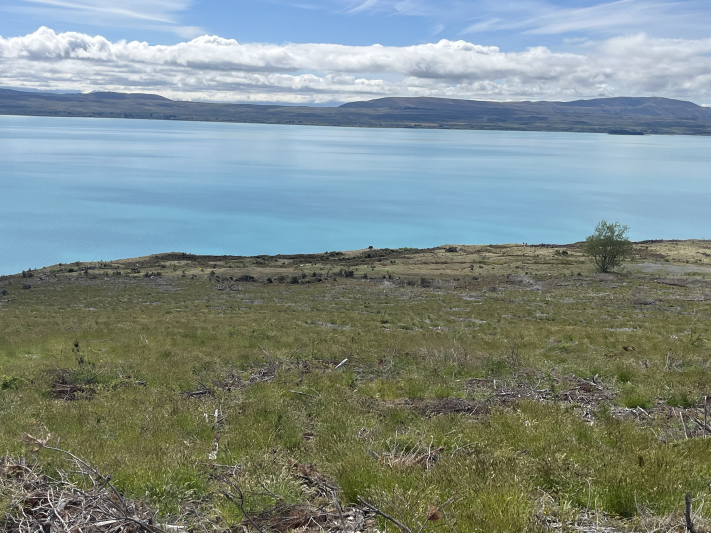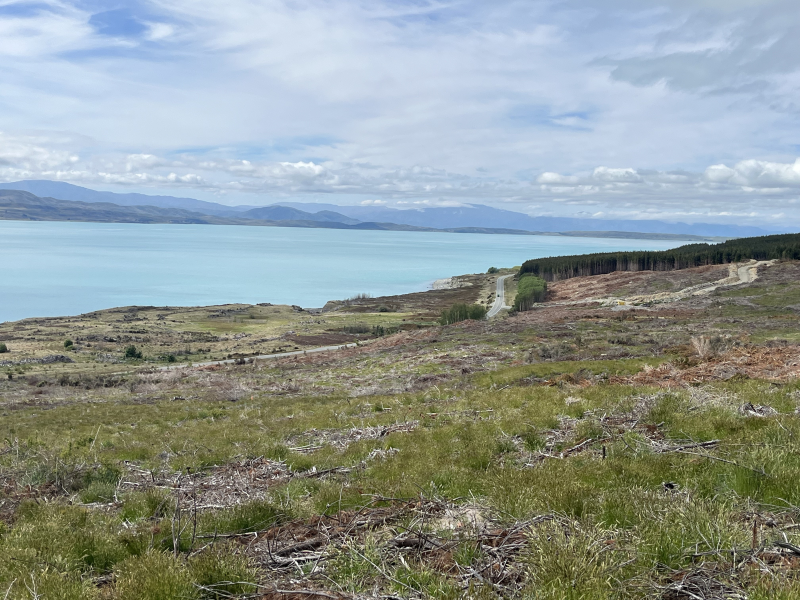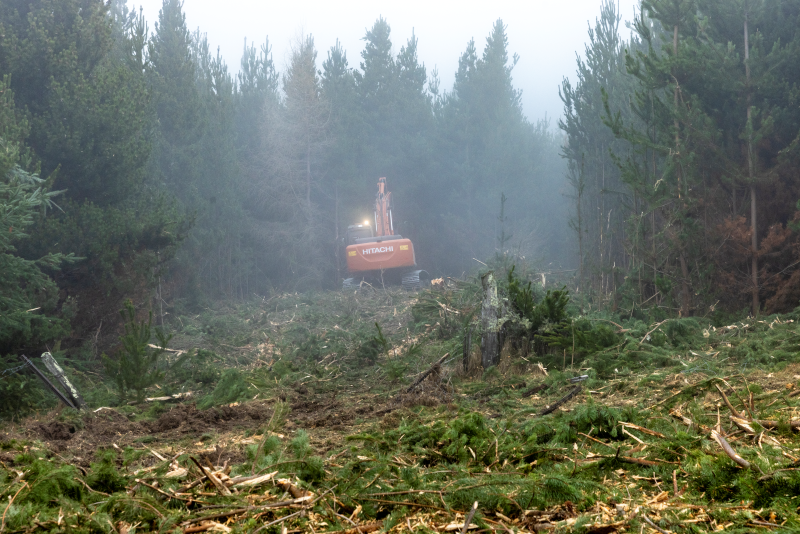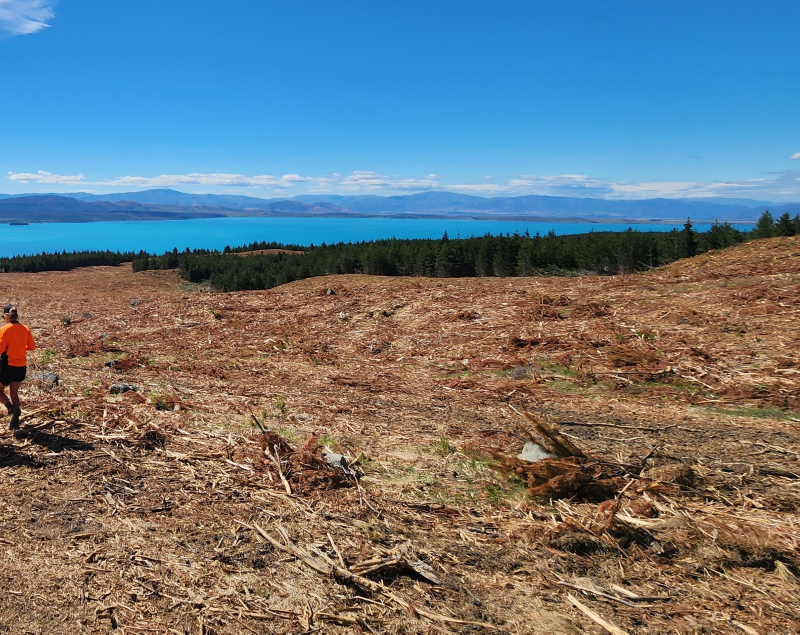
The Ferintosh project is very much a narrative of adaptation and persistence. It poses a unique set of challenges being a complex site with steep terrain, unmapped wetlands and waterways, multiple stakeholders and a formidable seed source.
As the infestation consists of wilding conifers trees across all age classes - from seedlings right through to big, mature, seed-producing trees - the plan’s primary objectives are to manage seed sources, reduce seed dispersal, and limit regeneration using strategic, integrated methods.
The strategy has stressed combining control methods efficiently and maintaining ongoing monitoring, allowing approaches to be adapted and improved over time.
Efforts have focused first on mature coning trees to quickly decrease seed pressure on surrounding lands and catchments with aerial, ground, mechanical and conventional harvesting all being used throughout the site. Environmentally sensitive sites have been identified and made a priority for ground control to minimise impact.
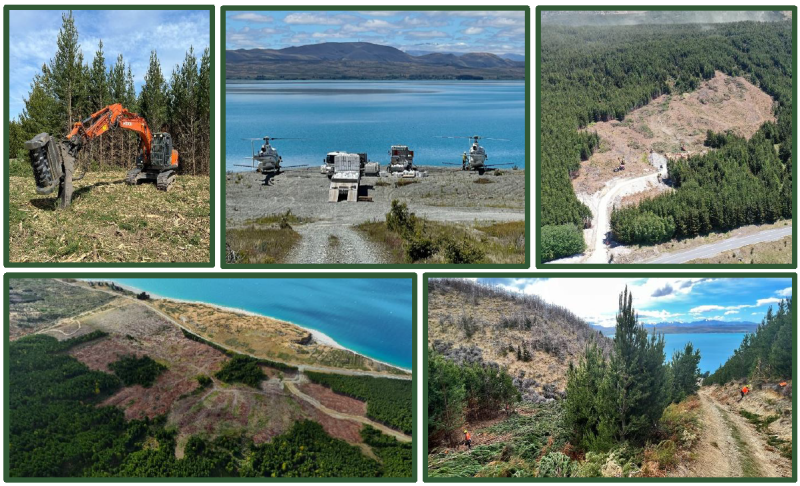
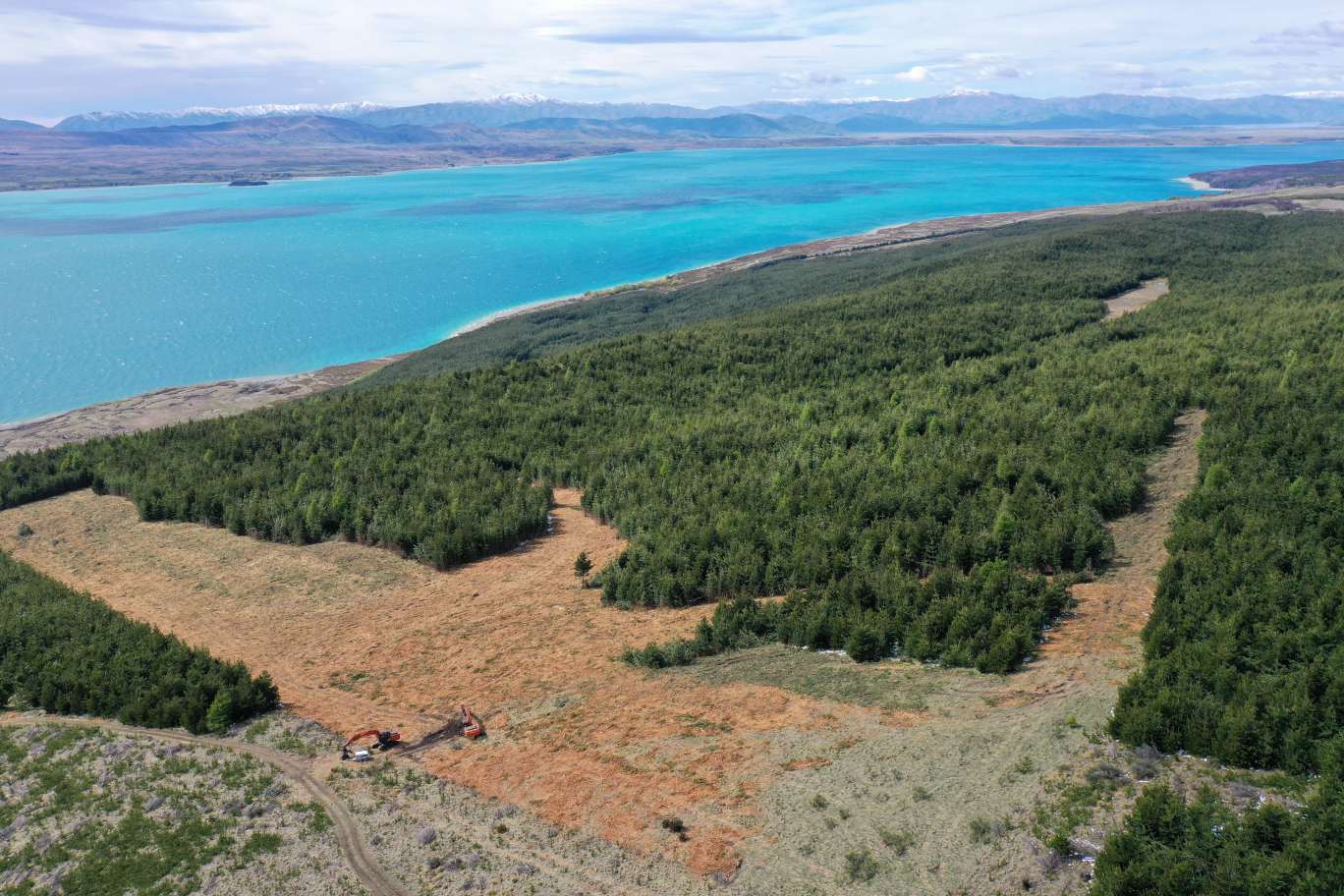
Through the collaboration and engagement of more than 17 businesses, contractors, individuals, agencies and landholders, we have eliminated invasive coning trees across 429 hectares, significantly easing long-term pressure on nearby land. Using multiple approaches, we have maximized efficiency while safeguarding native plants.
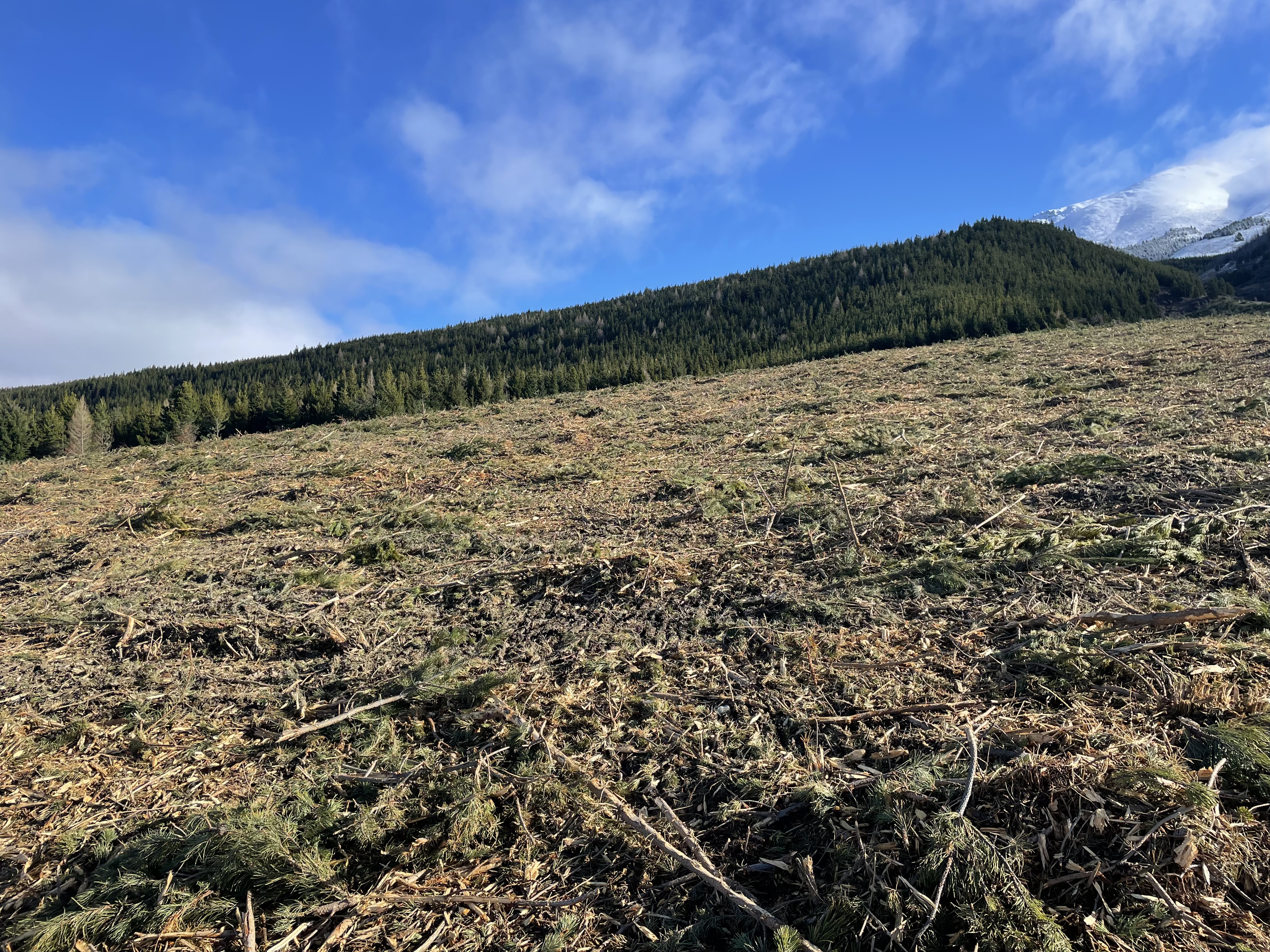
Our contractors adapted well to challenging conditions, and government agencies collaborated effectively for shared goals. Innovations in coordination, such as the implementation of WhatsApp groups and radio communications, alongside enhanced training initiatives like FENZ fire safety training, contributed to greater safety and improved project outcomes. Early results are promising with grass returning to mulched areas, and treated trees are dying as intended. But it’s not done yet…
The teams at Environment Canterbury, Biosecurity New Zealand, and Toitū Te Whenua Land Information New Zealand, have been working closely on the removal of significant dense stands of wildings, mostly Pinus contorta, on Ferintosh Station.
Having this work underway is a key step in controlling one of Mackenzie’s worst wilding infestations - which extends along Lake Pūkaki towards Aoraki Mt Cook National Park - pushing the northern extent of the infestation further back down the western side of the lake road away from the maunga (mountain).
The site is a challenging one and the control work has been carefully planned with input from all the partners involved.
Ferintosh Station is a Crown pastoral lease managed by LINZ and has been held by the current leaseholder for around 40 years. The station adjoins conservation land and other high-country stations. This site has been rapidly invaded by wilding pines in recent years and poses a significant risk from seed spread to the surrounding areas. Due to its location, we needed to consider the potential effects on neighbouring land, safety for contractors and state highway users, and of course the lake, when undertaking control.
The planning team and contractors Zolve worked hard taking all these into account when considering the range of control methods and options for the best possible overall results.
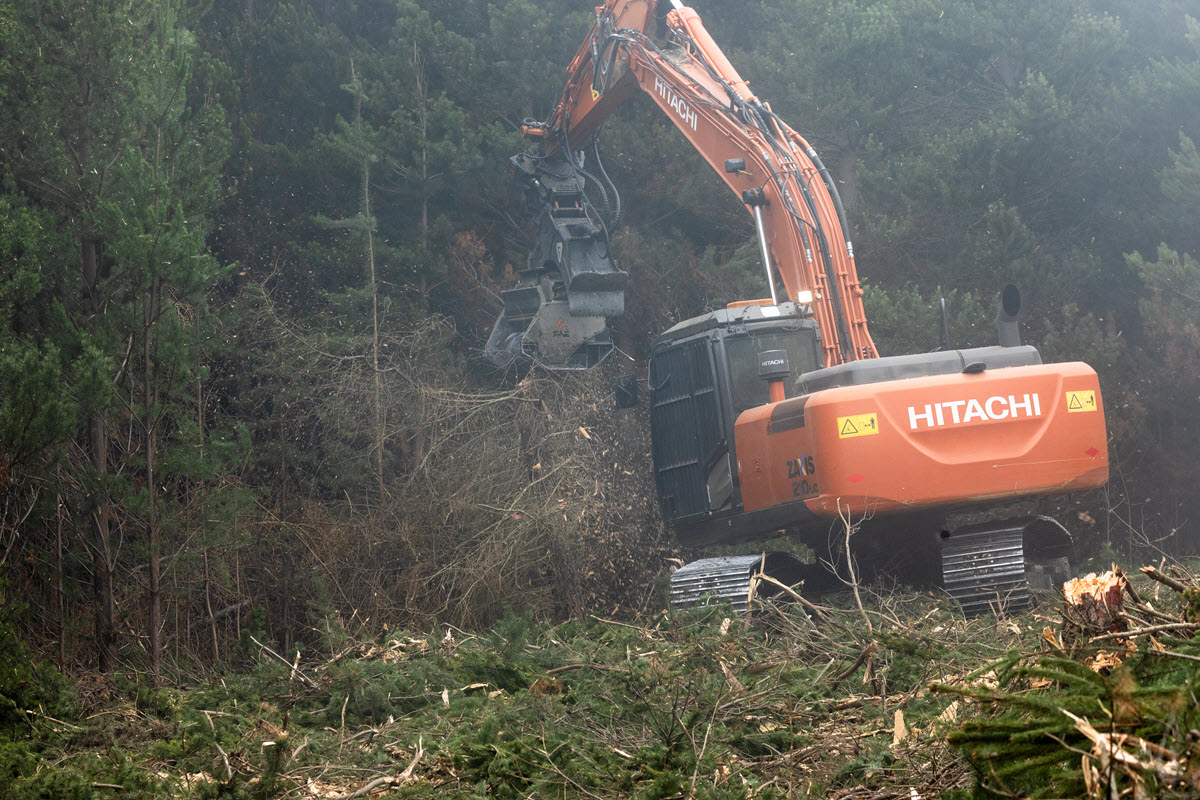
The challenges of this site include varying sizes of the wildings themselves, as well as the topography and sensitive wetland areas calling for careful planning with a mix of control methods from machine mulching to spraying and ground work.
The combination of machinery, dense trees as potential fuel, and often dry conditions, meant that managing the risk of fire was a key factor early in the control. This was addressed by using the mechanical mulcher to create fire breaks through the dense infestation which are designed to slow a fire and provide safe escape routes for contractors in case a spark should catch. Thank you to Fire and Emergency New Zealand who provided advice for managing this risk at Ferintosh.
To help offset some of the costs of the control operations, a big positive for this site, was the ability to harvest a large part of the site and contribute to the biofuel market.
In total the control operation is planned to cover 3 square kilometres of wildings and will take around a year to complete.
More on ECan’s wilding control mahi around Canterbury: https://www.ecan.govt.nz/your-region/your-environment/biodiversity-and-biosecurity/biosecurity/national-programmes/wilding-pine-programme/
Check out the video detailing the work achieved at Ferintosh over the 2024-2025 control season.